Driving Test Checklist: What to Bring on Test Day in Ireland
Glen, Flexidrive's Head of Instructors, runs through everything you need to have ready before your driving test in Ireland. The most common reason tests can't proceed is simple preparation failures that are entirely avoidable.
The Most Common Reason Tests Can't Start
The examiner can't begin your test if your documents aren't in order or your car isn't roadworthy. It sounds obvious, but it happens regularly.
"The most common reason people can't start their test is not doing the checklist beforehand and making sure the car is 100% legal to go out on the road."
A failed NCT disc. A light that's not working. An expired learner permit. These are all things you could have caught the day before. Don't let something avoidable end your test before it begins.
What to Bring
Your valid learner permit. This is checked by the examiner before the test begins. It must be in date. If it's a learner permit, it must be over six months old, unless you're on Reduced EDT.
Glasses or contact lenses if you need them to drive. If your licence says you must wear corrective lenses, you must wear them on the test.
The car you're using for the test, if you're supplying your own. Your instructor will bring their car if that's what you've arranged.
The Car Checklist
Do this check the day before your test and again on the morning of it.
"Make sure everything's in order. Tax, NCT, make sure the discs are authentic and on the car. Make sure the tyres are all legal. Make sure there are no warning lights on whatsoever. Make sure the water is topped up. Check all the lights, brake lights and indicators. Make sure they're all working. That needs to be done the day before the test and the morning of it."
To be specific:
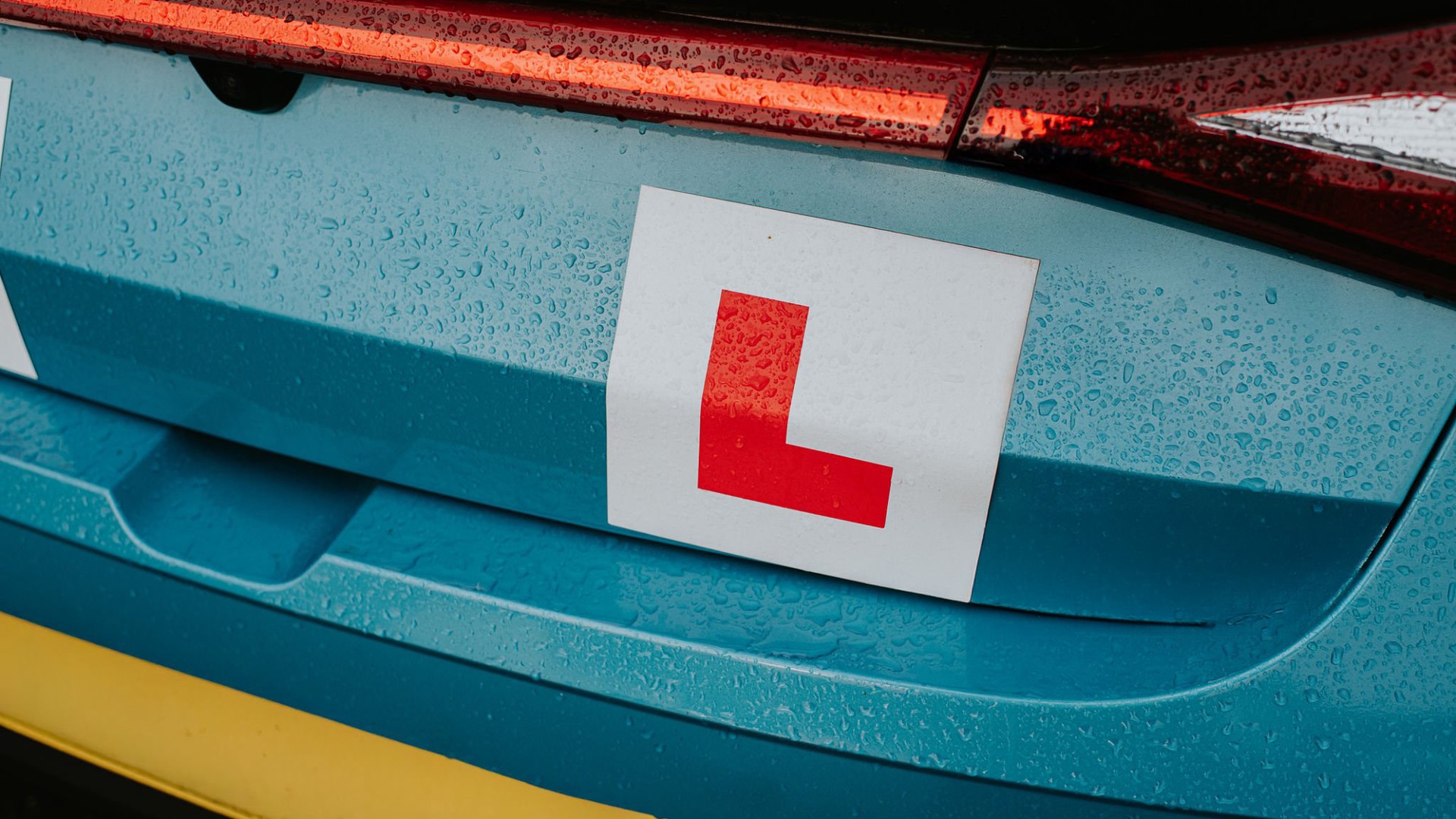
Tax disc: valid and displayed. NCT: valid and displayed. Insurance: valid for a learner driver. Tyres: legal tread depth, no visible damage. Warning lights: none. Brake lights and indicators: all working. Fluid levels: water and washer fluid topped up. L plates: front and rear.
If you're using your instructor's car, they'll handle this. If you're supplying your own car, it's your responsibility.
What Happens at the Test Centre
When you arrive, the examiner will check your licence, ask you to sign a declaration confirming you're insured to drive the car, and conduct a brief vehicle check.
They may ask you a safety question: how to check oil, what a warning light means, or how to test brake lights. These are straightforward if you've covered the car controls in your EDT lessons.
Then you drive. The test takes approximately 35 minutes.
When to Arrive
Give yourself fifteen to twenty minutes before the test time.
"It's recommended to arrive fifteen to twenty minutes before your test, give yourself time to relax as much as you possibly can. Go to the toilet if you need to, get something to eat. The main thing is just relax."
Arriving rushed and stressed is not a good start. Get there early, sit for a few minutes, and settle yourself. The test is 35 minutes of driving. You've done longer practice runs than that.
FAQs
What happens if my learner permit is expired on test day?
The test cannot proceed. Always check the expiry date well in advance and renew if needed.
Can I use my own car for the test?
Yes. It must be taxed, insured for a learner driver, and NCT'd, with L plates displayed front and rear.
Do I need my theory test certificate on the day?
No. You only need your valid learner permit.
What if a warning light comes on in the morning?
Don't take the car. Either use your instructor's vehicle or rebook. Driving a car with a fault light is a risk you don't want to take on test day.
Ready for Test Day?
Preparation on the day is simple. Do the checklist the day before, do it again in the morning, and arrive early. Everything else is the driving you've been practising for months.
If you want to book a pre-test lesson or find an instructor, find and book through Flexidrive here.