Top Questions New Learner Drivers Ask (And Honest Answers)
Glen, Flexidrive's Head of Instructors, answers the questions every new learner asks before their first lesson and during their first few weeks on the road.
What Happens on Your First Driving Lesson?
Your first lesson starts before you even move the car. We go through the cockpit drill: seat position, mirrors, steering wheel adjustment. Then we walk through the car controls so you know what does what before you touch anything.
After that, we find somewhere quiet and you start with the fundamentals. Moving off, stopping, steering. Nobody expects you to be driving circuits on day one. The first lesson is about getting comfortable with the car.
Is It Normal to Feel Nervous?
Completely normal. Every learner I have worked with has had nerves before their first lesson, regardless of age.
The nerves usually fade quickly once you realise nobody is judging you and there is no test at the end. Your instructor has sat through thousands of first lessons. Nothing you do will surprise them.
The goal of the first few lessons is to build your confidence, not push you beyond it.
Do I Need Experience Before I Start?
No. You do not need any driving experience to start lessons. Plenty of people sit in the driver's seat for the first time on lesson one and progress just as well as those with some background.
Your instructor will go through everything from the beginning. It helps to understand a bit about how a car works beforehand, but it is not required.
Can I Practise Outside Lessons?
Yes, and I recommend it. The learners who make the fastest progress are the ones who practise between lessons, not just during them.
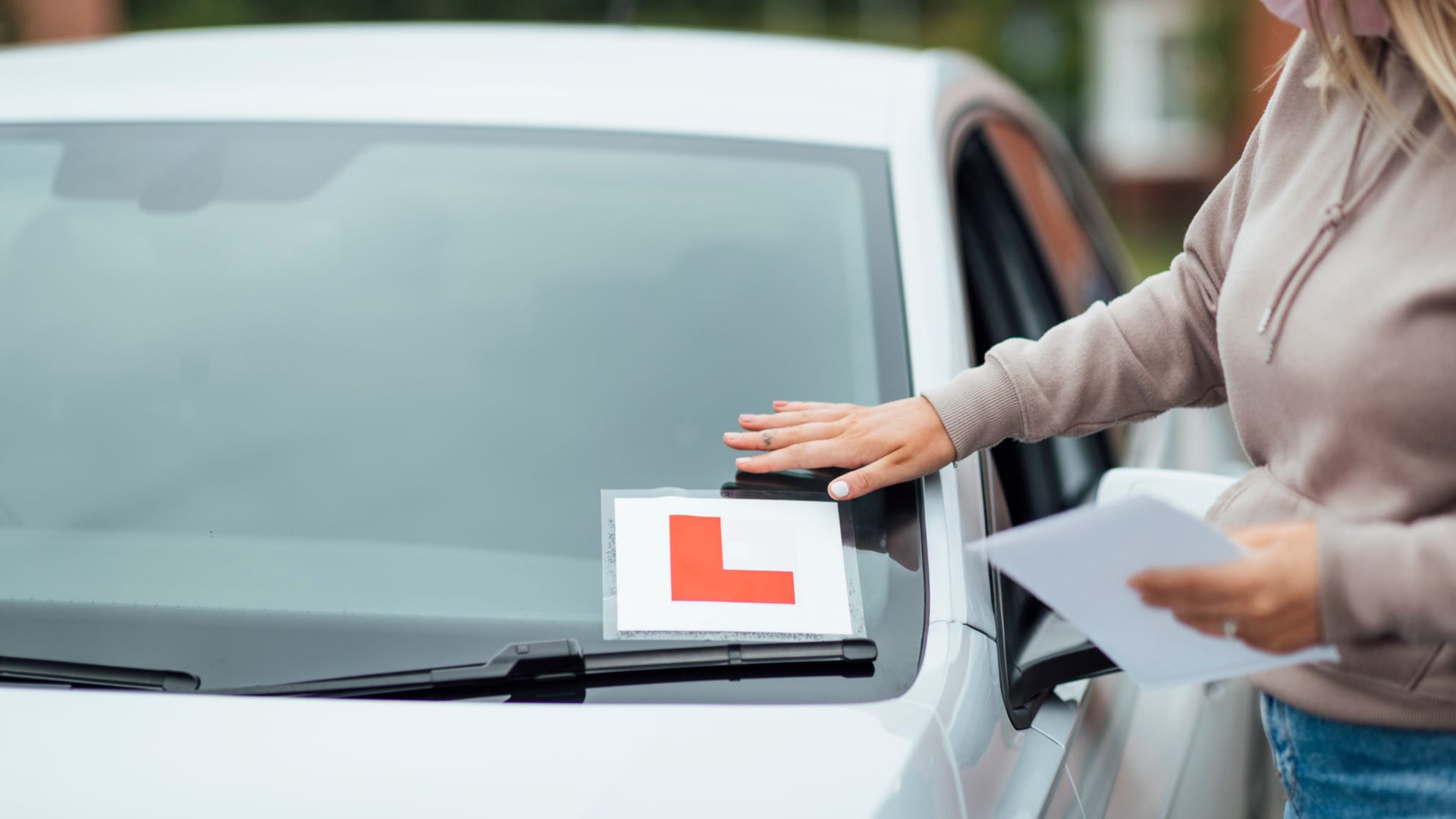
To practise legally on public roads, you need a full licence holder who has held their licence for at least two years sitting in the front passenger seat. Your learner permit must be displayed. The car must be taxed, insured, and NCT'd.
"Learners who have the means to practice in a legal way tend to stand a better chance of passing their test first time, because they get a lot more practice in. Even fifteen minutes a day, the hours add up fast. You could get eighty or a hundred hours of practice without even realising it."
Driving without a qualified accompanying driver is not just risky. It is illegal, and your insurance will not cover you if something goes wrong.
How Long Will It Take to Feel Confident?
There is no standard timeline. Some learners feel comfortable after a few lessons. Others take much longer, and that is fine.
The biggest factor is not how often you have lessons but how much you practise in between. Consistency matters more than speed. Steady progress over several months is better than rushing through lessons and sitting a test before you are genuinely ready.
What Mistakes Do Beginners Usually Make?
The most common ones are stalling, hesitation at junctions, incorrect road positioning, and not scanning far enough ahead. None of these are cause for concern. They are all things every new driver works through.
"Don't worry. You're a learner."
That is actually an advantage. It is easier to build good habits from the start than to undo bad ones later.
How Do I Know When I'm Ready for the Test?
The standard I use is straightforward. I get a learner to drive a varied route without any help from me: different junctions, roundabouts, varying traffic. If they can do it safely and consistently without prompts, they are ready.
"The easiest way to judge if someone is test ready is to get them to drive a route of various different junctions, roundabouts, different levels of difficulty without helping them. Drive it independently and see if they're able to do it in a safe and proper manner."
If you are still relying on your instructor to remind you of things, you need more practice time. That is not a criticism. It just means the process is still doing its job.
FAQs
Will I drive on my first lesson?
Yes. Most learners move the car for the first time in lesson one, in a quiet area.
Can I bring someone to my lesson?
No. EDT lessons are one to one. Just you and the instructor.
How many lessons will I need?
It depends on the individual. 12 EDT lessons is the legal minimum, but many learners need additional sessions beyond that before they are consistently at test standard.
Do I need my own car?
No. Your instructor's car is used for lessons.
Can I fail my first lesson?
There is no pass or fail for individual lessons. They are part of a structured learning programme.
Ready to Book?
If you are ready to get started, find an instructor and book through Flexidrive here. See live availability, choose your instructor, and confirm a time in minutes.